Financial Security in Uncertain Times – How to Stay Calm and in Control


Financial Security in Uncertain Times – How to Stay Calm and in Control
When the economy wobbles, prices rise, and headlines talk about uncertainty, it’s easy to feel anxious. Many Americans experience stress when their budgets tighten and the future feels unpredictable. But financial security isn’t just about how much money you have—it’s also about having clarity, realistic plans, and a sense of control. Here’s how you can stay calm and confident, even when times are tough.
Start by Getting a Clear Picture
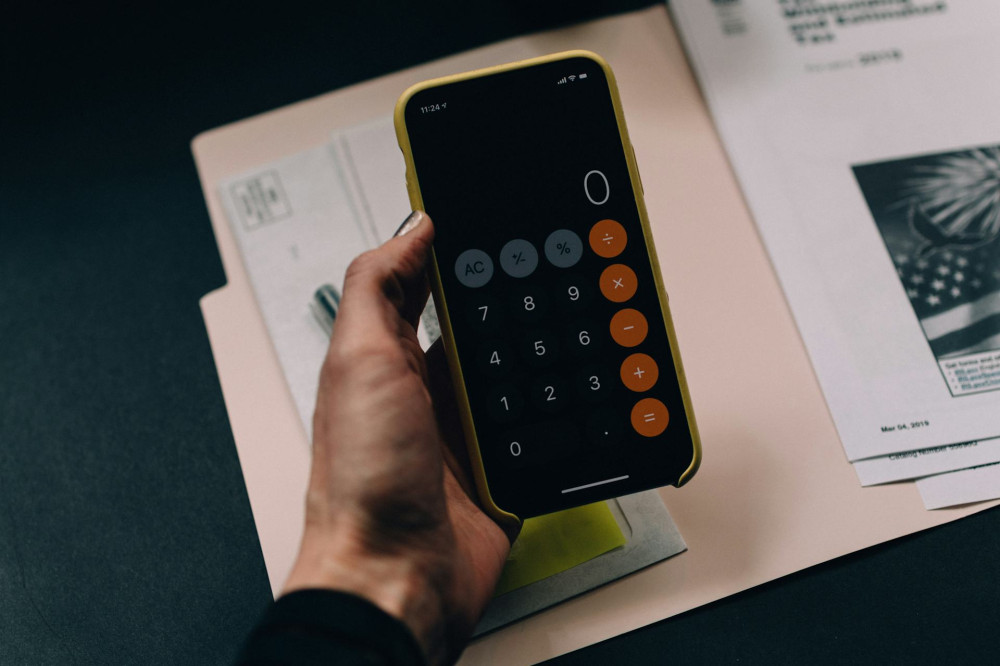
The first step toward financial security is understanding your finances. Many people are surprised when they see where their money actually goes. Create a simple budget that lists all your income and expenses—rent or mortgage, insurance, subscriptions, transportation, groceries, and entertainment.
Once you have a clear overview, it’s easier to spot areas where you can adjust. Maybe you’re paying for services you rarely use, or perhaps you can negotiate better rates on insurance or phone plans. Small changes can make a big difference over time.
A helpful tip is to use a budgeting app or spreadsheet that automatically categorizes your spending. Seeing your finances clearly gives you a sense of control—and that alone can bring peace of mind.
Build an Emergency Fund
An emergency fund is your safety net when unexpected expenses arise—and they always do. A car repair, a medical bill, or a period of reduced income can quickly cause stress if you don’t have savings to fall back on.
Aim to save three to six months’ worth of essential expenses in an easily accessible account. It might take time to build, but even a small cushion is better than none. Start with a realistic goal—say $1,000—and grow it gradually.
As your emergency fund grows, you’ll notice that the “what if” worries start to fade. It’s one of the most effective ways to create lasting financial security.
Focus on What Matters Most
In uncertain times, it’s important to distinguish between needs and wants. That doesn’t mean cutting out everything that brings you joy—but it does mean being intentional about your spending.
Make a list of your most important expenses and values. Maybe family experiences matter more to you than multiple streaming subscriptions. When you align your spending with what truly matters, your finances feel more meaningful—even if you have to cut back elsewhere.
Avoid Panic Decisions
When money feels tight, it can be tempting to act quickly—sell investments, take on debt, or change your savings plan. But decisions made in panic rarely lead to good outcomes.
Take a step back and give yourself time to think. If possible, talk to a financial advisor before making major changes. Often, the situation isn’t as dire as it feels in the moment, and there are calmer, more strategic ways to move forward.
Læs også:




Build Good Habits—and Stick to Them
Financial security is built on consistent habits. Once you’ve set up your budget, savings, and priorities, the key is to maintain them. Schedule regular check-ins—once a month, for example—to review your finances. This helps you catch changes early and make adjustments before problems grow.
Automate as much as possible: savings transfers, bill payments, and retirement contributions. Automation reduces the risk of missed payments and frees up mental energy for other things.
Keep the Right Mindset
Financial stress isn’t just about numbers—it’s also about emotions. Worrying about the future can be overwhelming, especially if you feel like you’re losing control. Focusing on what you can control helps restore balance.
Talk openly with your partner or family about money. Honest conversations can reduce tension and create a shared sense of responsibility. And remember, financial security doesn’t mean perfection—it means having a plan that gives you confidence to handle whatever comes your way.
Security Through Awareness
Uncertain times will always come and go. But with awareness, planning, and steady habits, you can build a financial foundation that feels stable—even when the world around you doesn’t. In the end, financial security is about knowing where you stand and trusting that you can adapt when things change.
Læs også: