Roulette for Beginners: How to Use the Table Layout Strategically


Roulette for Beginners: How to Use the Table Layout Strategically
Roulette is one of the most iconic games in any casino — a mix of luck, excitement, and a touch of strategy. For beginners, the table’s many numbers and betting areas can seem confusing, but once you understand the layout, you’ll see that it’s designed to give you a range of tactical options. This guide will help you learn how to use the roulette table layout strategically, so you can make smarter bets whether you’re playing for fun or aiming to improve your odds.
Understanding the Table Layout
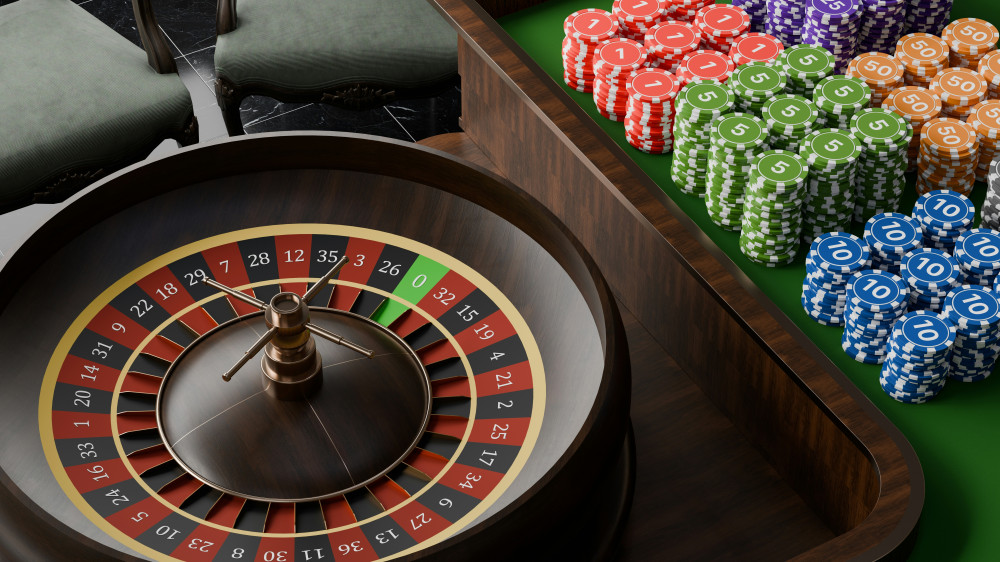
A roulette table has two main parts: the wheel and the betting layout. The wheel has 38 pockets in American roulette (numbers 1–36, plus 0 and 00). The numbers alternate between red and black, while 0 and 00 are green.
The layout on the table mirrors these numbers, arranged in rows and columns. This is where you place your bets. Each type of bet has its own position and payout — and understanding these is the foundation of your strategy.
Inside Bets – Betting on Specific Numbers
Inside bets are wagers placed directly on the numbered section of the table. They offer higher payouts but come with lower odds of winning.
- Straight up – a bet on a single number. Pays 35:1.
- Split – a bet on two adjacent numbers. Pays 17:1.
- Street – a bet on three numbers in a row. Pays 11:1.
- Corner – a bet on four numbers that meet at one corner. Pays 8:1.
- Line – a bet on six numbers (two adjacent rows). Pays 5:1.
These bets appeal to players who enjoy higher risk and bigger rewards. To use them effectively, it helps to know where the numbers are located on the layout — for example, numbers that are close together on the wheel may not be close on the table.
Outside Bets – Betting on Groups of Numbers
If you prefer a safer approach, outside bets cover larger groups of numbers and pay smaller but more frequent winnings.
- Red/Black – covers all red or all black numbers (except 0 and 00). Pays 1:1.
- Even/Odd – covers all even or all odd numbers. Pays 1:1.
- Low/High – covers 1–18 or 19–36. Pays 1:1.
- Columns – covers 12 numbers in a vertical column. Pays 2:1.
- Dozens – covers 1–12, 13–24, or 25–36. Pays 2:1.
These betting areas are located along the outer edge of the table. Many beginners start here because the bets are easy to understand and provide a steady rhythm to the game.
Læs også:

Using the Layout to Spread Your Risk
One of the smartest ways to use the table layout strategically is to combine different types of bets. For example, you might place a straight up bet on your favorite number while also betting on a color or column to increase your chances of a win.
Example: You bet $10 on red and $5 on number 23. If the ball lands on 23, you win both bets. If it lands on another red number, you still win the color bet, which helps offset your loss on the number bet.
By using the layout this way, you can balance risk and reward — keeping the game exciting without putting everything on a single outcome.
American vs. European Roulette
While the tables look similar, there’s one key difference: the extra 00 pocket in American roulette. This increases the house edge from about 2.7% in European roulette to 5.26% in American roulette. For beginners, that means European roulette generally offers better odds.
If you’re playing online or at a casino that offers both versions, choose European roulette when possible. It’s a great way to practice your layout strategy while giving yourself slightly better chances.
Play with Structure, Not Randomness
Roulette is a game of chance, but that doesn’t mean you should play randomly. A good strategy is about discipline and awareness. Set a budget, decide in advance which types of bets you’ll use, and stick to your plan.
Use the layout as a visual guide: mark the areas you want to focus on and learn how the numbers connect. The more familiar you are with the table’s structure, the more confident and controlled your play will become.
Roulette as an Experience
For many players, roulette isn’t just about winning — it’s about the atmosphere: the sound of the ball spinning, the anticipation, and the social energy around the table. When you understand the layout and how to use it strategically, the game becomes more engaging and enjoyable.
Roulette doesn’t reward prediction — it rewards understanding. And mastering the table layout is the first step toward playing like a seasoned pro, even if you’re just starting out.
Læs også: