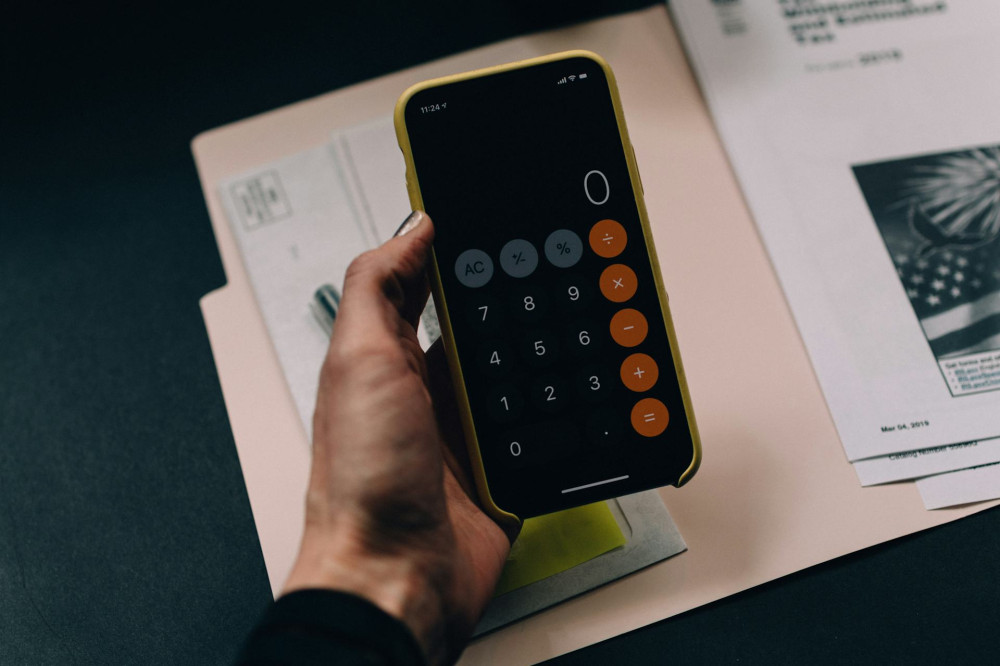
Track Your Investments Without Stress – Use Simple Tools and Clear Indicators

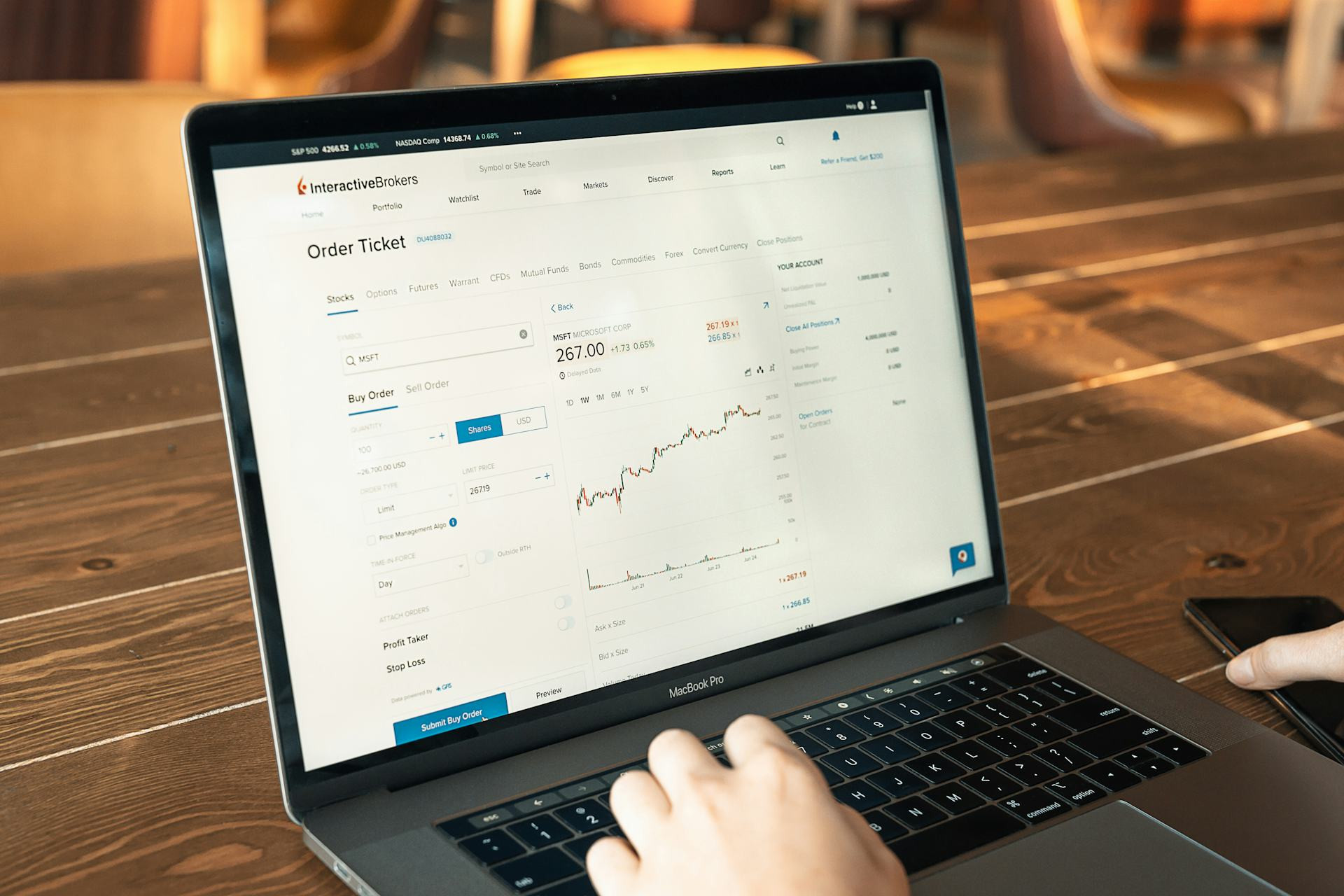
Track Your Investments Without Stress – Use Simple Tools and Clear Indicators
Investing isn’t just about picking the right stocks or funds—it’s also about keeping your peace of mind along the way. Many individual investors find themselves caught up in daily market swings and endless news updates, which can create unnecessary stress. But it doesn’t have to be that way. With simple tools and clear indicators, you can track your investments in a way that gives you clarity without anxiety.
Build an Overview That Fits Your Needs
The first step toward a calmer investing routine is to create an overview that matches your goals and comfort level. You don’t need to follow every market or check prices every day. In fact, too much information can make it harder to make sound decisions.
Start by consolidating your investments in one place—perhaps through an investment app or an online portfolio tracker. Many U.S. brokerages and financial institutions offer dashboards that show your returns, asset allocation, and risk exposure across accounts. Seeing the big picture helps you focus on long-term progress rather than short-term fluctuations.
Also, decide how often you want to check in. For many investors, reviewing your portfolio once a month is enough. This allows you to respond to meaningful trends without getting caught up in daily noise.
Focus on Indicators That Matter
When tracking your investments, it’s important to focus on indicators that actually reflect your strategy—not just today’s price movements. Here are a few of the most useful ones:
- Return vs. your goals – Compare your performance to your personal targets rather than to the market’s top performers.
- Risk level – Make sure your portfolio still matches your risk tolerance. If market drops keep you up at night, your risk exposure may be too high.
- Diversification – Check whether your investments are spread across sectors, asset classes, and regions. Diversification helps reduce the impact of downturns in any one area.
- Time horizon – Ensure your investments align with when you’ll need the money. The longer your horizon, the more patience—and peace—you can afford.
By focusing on these indicators, you’ll gain a more realistic view of your progress and avoid being swayed by short-term volatility.
Automate Where You Can
One of the best ways to reduce stress is to automate parts of your investing process. This could mean setting up automatic monthly contributions to your investment account, reinvesting dividends, or using index funds that track the market without requiring constant adjustments.
Automation helps you stay consistent with your plan, even when markets get turbulent. It removes the temptation to make emotional decisions—which are often the least profitable ones.
Learn to Separate Noise from Signal
Financial news, social media, and expert opinions can easily create confusion. But not everything you read is relevant to your portfolio. Learn to distinguish between noise and meaningful information.
A good rule of thumb: ask yourself, “Does this news affect my long-term investment strategy?” If the answer is no, you can safely ignore it. Most market movements are temporary, and what matters most is sticking to your plan.
Læs også:
Give Yourself Breaks from the Market
Even the most experienced investors need time away from the screen. It can be healthy to take a week or two where you don’t check your portfolio at all. The market will keep moving, and your strategy should be strong enough to handle it.
Use that time to read about broader financial topics, reflect on your goals, or simply enjoy knowing your money is working for you. Investing should be part of your life—not your whole life.
A Calm Investor Is a Better Investor
Tracking your investments without stress isn’t about ignoring the market—it’s about creating structure and calm. When you use simple tools, focus on meaningful indicators, and stick to your plan, you’ll be better equipped to make smart decisions, even when the market gets rough.
In the end, it’s not the fastest reactors but the steady, long-term thinkers who achieve the best results.
Læs også: