Workplace Design: How Physical and Digital Environments Affect Collaboration and Efficiency

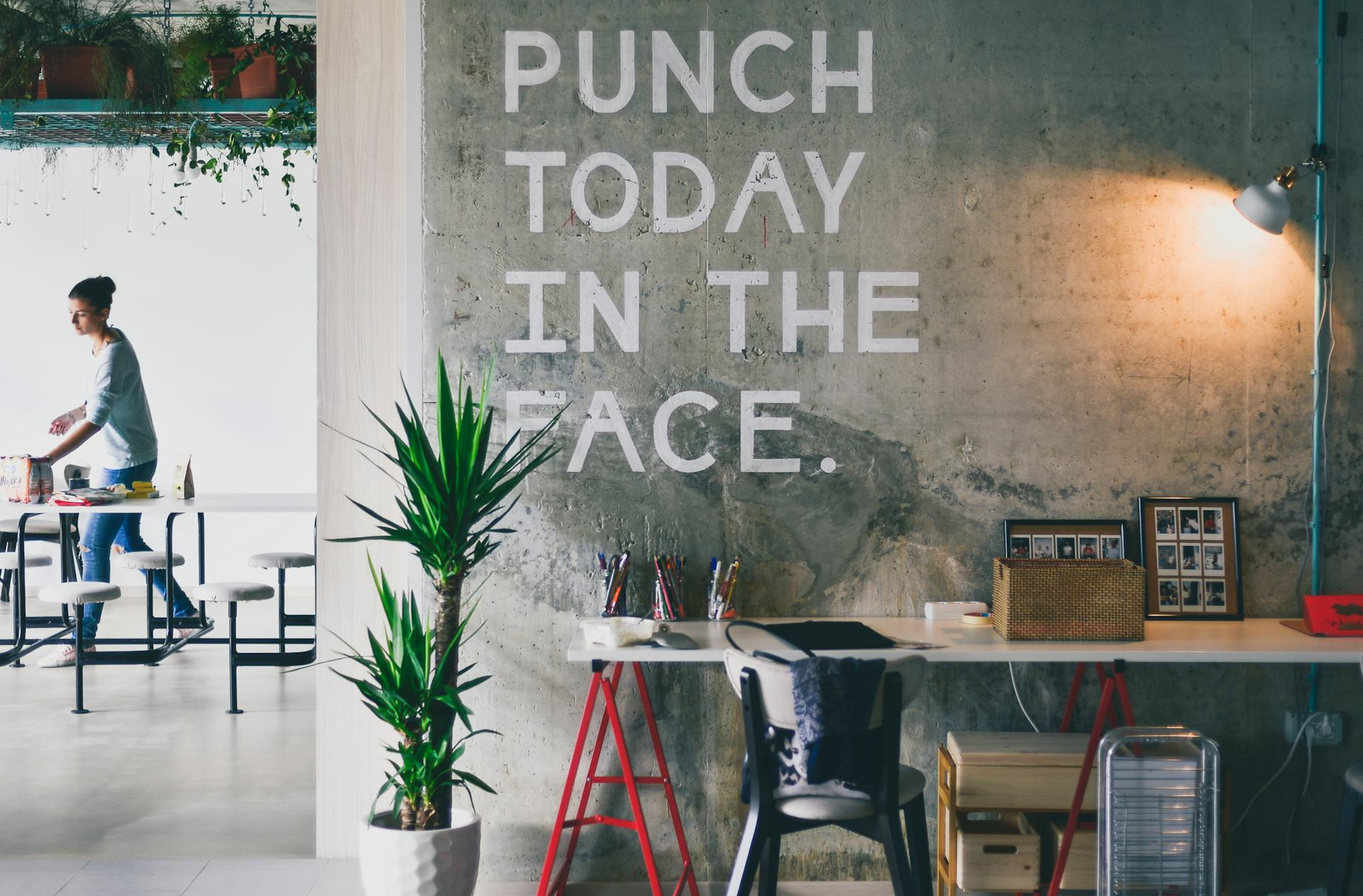
Workplace Design: How Physical and Digital Environments Affect Collaboration and Efficiency
The way we design our workplaces—both physical and digital—has a profound impact on how we collaborate, stay productive, and feel connected. As hybrid work becomes the norm across the United States, and technology continues to shape how we communicate, it’s clear that workplace design is about more than desks and devices. It’s about creating environments that support focus, creativity, and human connection. Here’s how thoughtful design can enhance collaboration and efficiency in the modern American workplace.
The Physical Space as a Partner in Productivity
An office is more than a location—it’s an ecosystem that influences everything from concentration to innovation. Research from organizations like the WELL Building Institute and Harvard’s Center for Health and the Global Environment shows that lighting, acoustics, air quality, and layout all affect employee well-being and performance.
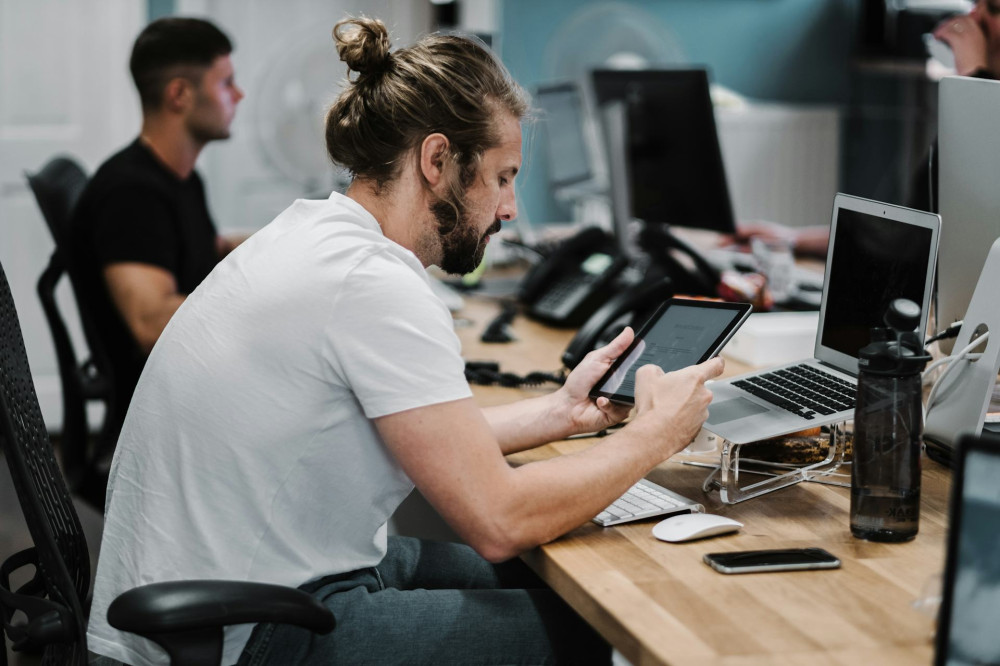
- Open-plan offices can encourage spontaneous collaboration and a sense of community, but they can also lead to distractions. The best offices balance open areas with quiet zones for focused work.
- Flexible workstations—such as hot desks, collaboration pods, and private booths—allow employees to choose the environment that fits their tasks.
- Biophilic design elements like natural light, plants, and organic materials can reduce stress and boost creativity.
Ultimately, the goal is balance: a space that supports both teamwork and deep focus.
Læs også:


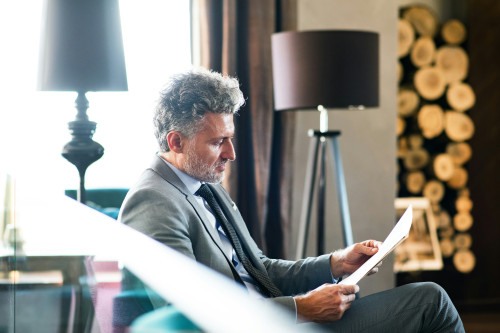

The Digital Workplace – The Invisible Office
Today, much of our collaboration happens online. From project management tools to video meetings, the digital workspace is as critical as the physical one. But technology alone doesn’t guarantee effective teamwork—it’s how we use it that matters.
- Unified communication platforms like Slack, Microsoft Teams, or Zoom make it easy to stay connected, but clear expectations about availability and response times are essential to prevent burnout.
- Project management tools such as Asana, Trello, or Monday.com help teams stay aligned, track progress, and maintain transparency—especially when working remotely.
- Digital boundaries are just as important as physical ones. Encouraging screen breaks and setting “no-meeting” hours can help prevent digital fatigue and maintain focus.
When the digital environment is well-structured, it becomes a seamless extension of the physical workplace—connecting people across time zones and locations.
Culture and Behavior – The Glue That Holds It Together
Even the most beautifully designed office or advanced digital platform can’t replace a healthy workplace culture. Collaboration thrives in environments where people feel safe to share ideas, ask for help, and give feedback.
Leaders play a key role in setting this tone. Building a culture of trust and flexibility—where employees are empowered to choose how and where they work best—fosters engagement and accountability. In the U.S., where many organizations are rethinking traditional hierarchies, this cultural shift is becoming a competitive advantage.
Hybrid Work Demands New Frameworks
Since the pandemic, hybrid work has become a defining feature of American business life. Offices are no longer just places to sit at a desk—they’re hubs for connection, creativity, and collaboration.
Many companies are redesigning their spaces to reflect this shift:
- Collaboration zones and lounge-style meeting areas encourage informal discussions and brainstorming.
- Technology-enabled meeting rooms ensure that remote participants feel equally included.
- Home offices are being recognized as part of the professional environment, with employers offering stipends for ergonomic furniture and reliable internet connections.
The modern workplace is no longer confined to one address—it’s a network of spaces, both physical and digital, that support how people actually work.
How to Create a Workplace That Enhances Collaboration
No matter the size of your organization, small changes can make a big difference. Here are some practical steps:
- Involve employees in design decisions—they know what helps them work best.
- Offer variety in work settings to accommodate different tasks and personalities.
- Integrate physical and digital design so that tools and spaces complement each other.
- Review and adapt regularly—as teams evolve, so should the workplace.
When workplace design supports collaboration, flexibility, and well-being, it becomes more than just a place to work—it becomes a place where people and ideas can truly thrive.
Læs også: