Document Your Construction Project – Get a Clear Overview of Both Process and Results

Document Your Construction Project – Get a Clear Overview of Both Process and Results
A construction project—whether it’s a home remodel, an addition, or a new build—can quickly become complex. There are countless decisions, details, and deadlines to manage, and once the work begins, it’s easy to lose track of what’s been done and when. By documenting your construction project as it progresses, you gain not only a clear overview of the process but also a valuable record of the results. That documentation can prove invaluable—both during the project and years down the road.
Why Documentation Matters
Documenting your project isn’t just about snapping a few photos for memories. It’s a practical tool that helps you:
- Track progress – See how far along the work is and whether the schedule is on track.
- Ensure quality – Verify that the work is being done correctly and according to plan.
- Prevent disputes – If disagreements arise with contractors or suppliers, you’ll have evidence of what was done and when.
- Simplify maintenance – Know exactly where pipes, wires, and structural elements are located when you need to repair or remodel later.
In short, good documentation provides peace of mind and clarity—for you and for any future owners of the property.
How to Get Started
Documenting your construction project doesn’t have to be complicated. The key is to be consistent and organized from the beginning.
- Make a plan – Decide what you want to document and how. Will you use photos, videos, notes, or a combination?
- Create a digital folder – Store everything in one place, such as a folder on your computer or in the cloud. Consider sharing access with your contractor or project manager.
- Label files clearly – Use dates and short descriptions, for example, “2024-03-15_foundation_poured.jpg.”
- Save important documents – Keep contracts, permits, invoices, and correspondence together for easy reference.
A little structure early on will save you time and frustration later.
What to Document
Every phase of a construction project offers opportunities to capture useful information.
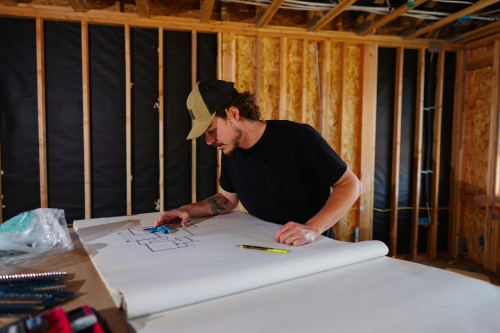
- Planning and preparation – Drawings, permits, budgets, and material selections.
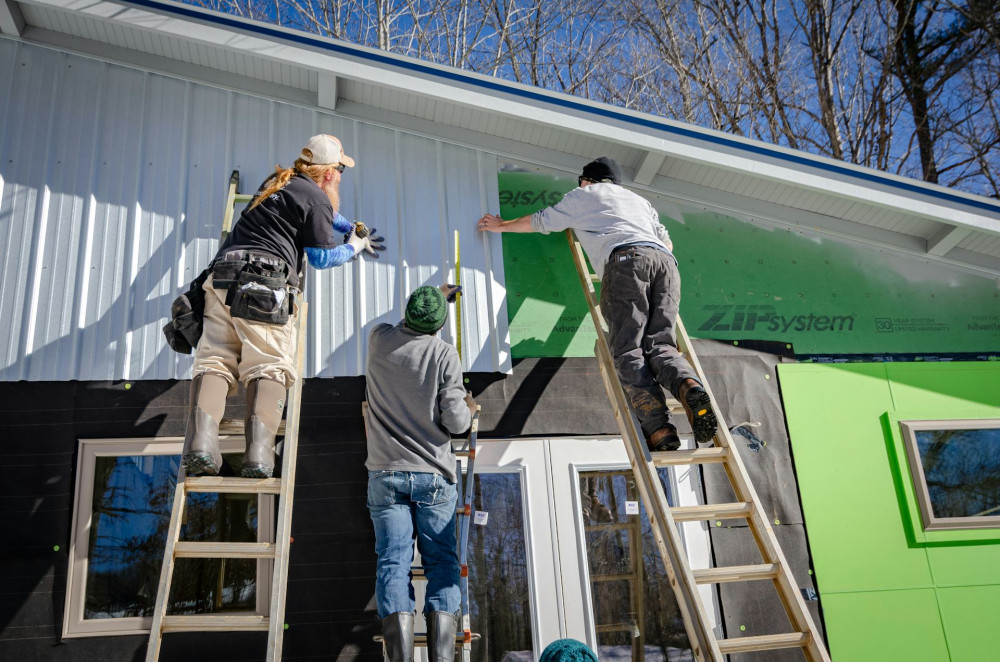
- Foundation and framing – Photos of concrete work, reinforcement, insulation, and load-bearing structures.
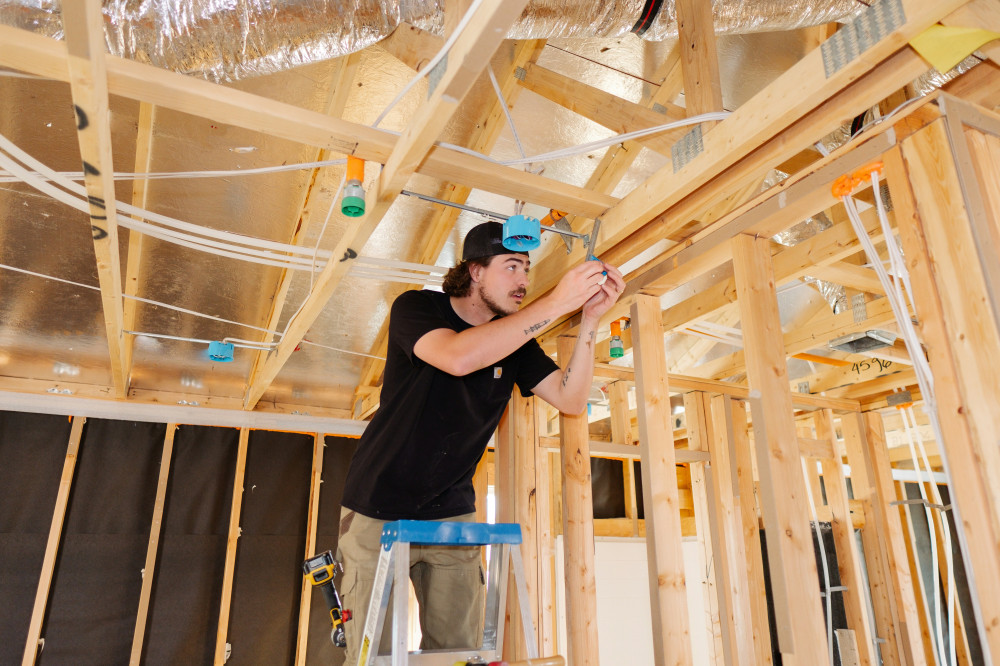
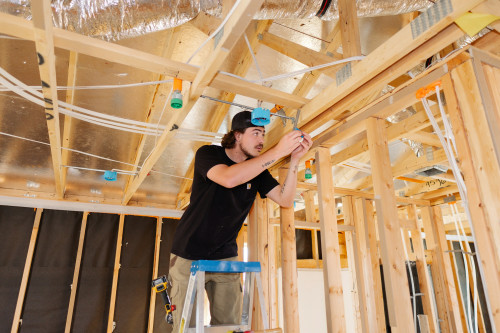
- Mechanical, electrical, and plumbing (MEP) – Take pictures before walls and floors are closed up.
- Finishes and details – Flooring, walls, ceilings, cabinetry, and fixtures.
- Final inspection and handover – Punch lists, inspection reports, and completion certificates.
The more detailed your documentation, the easier it will be to verify what was done—and how.
Læs også:
Use Technology to Your Advantage
Today’s digital tools make documentation easier than ever. You can use:
- Construction management apps that combine photos, notes, and schedules in one place.
- Cloud storage such as Google Drive, Dropbox, or OneDrive for secure, accessible storage.
- Drones to capture aerial views of larger projects.
- Digital drawings or BIM models that link documentation directly to building components.
Choose a system that fits your workflow. Simple tools you can update from your phone often work best in practice.
Documentation and Your Investment
Thorough documentation can also have financial benefits. When it’s time to sell your home, you can show potential buyers exactly how the work was done. That transparency builds trust—and can even increase your property’s value.
Documentation is also useful for insurance and warranty claims. If damage or defects occur, you’ll have clear evidence of what was built and when, making it easier to get repairs or compensation without unnecessary hassle.
Make It a Habit
Documentation shouldn’t feel like a chore—it should be a natural part of your construction process. Take photos when you’re on-site, jot down notes while details are fresh in your mind, and keep everything organized in one place.
When your project is complete, you’ll have more than just a finished building—you’ll have a detailed record of the entire journey from concept to completion. That record provides both pride and peace of mind, knowing exactly how your project came to life.
Læs også: