Finances and Love: How to Handle Financial Compromises During Home Construction

Finances and Love: How to Handle Financial Compromises During Home Construction
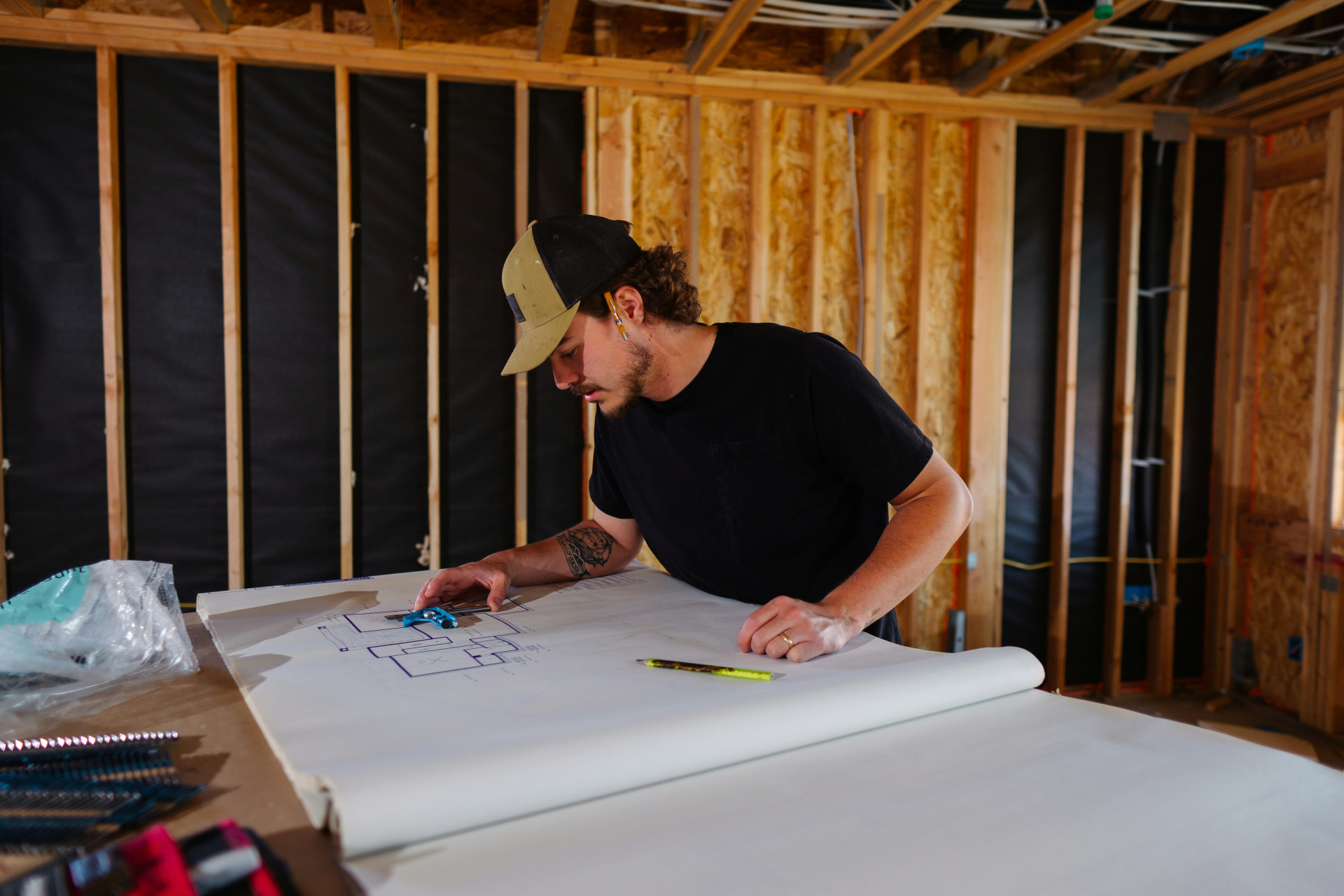
Building a home together is a dream for many couples—but it’s also one of the biggest financial and emotional challenges you can take on. Expectations, budgets, and decisions about everything from roofing materials to kitchen finishes can quickly become sources of tension. How do you keep love intact while juggling money, timelines, and compromises? Here’s how to navigate the financial side of home construction without losing sight of each other along the way.
Talk Openly About Money—From the Start
It’s easy to get caught up in the excitement of designing your dream home, but less fun to talk about finances. Still, that’s where most conflicts begin. Before you start, sit down together and take a hard look at your finances: What can you realistically afford? How much are you comfortable borrowing? Where are your individual limits?
Create a shared budget that includes not only construction costs but also living expenses and a cushion for unexpected issues. Make sure both voices are heard—no one should feel like they’re giving up too much. Honest communication from the beginning builds trust and makes later decisions easier.
Divide Responsibilities—and Respect Each Other’s Strengths
A home build involves countless decisions, and trying to make every one together can be overwhelming. Consider dividing responsibilities based on interest and skill. Maybe one of you is better with numbers and contracts, while the other has a strong eye for design and materials.
That doesn’t mean working in isolation. Schedule regular check-ins to review progress and finances so both partners stay informed. Respecting each other’s roles helps prevent misunderstandings and resentment.
Learn to Separate Needs from Wants
When you’re building, it’s easy to get swept up by inspiration from home shows and social media. But every extra feature adds cost—and this is where compromise becomes essential. Ask yourselves: What’s truly necessary, and what’s just “nice to have”?
Make a priority list with three categories:
- Must-haves – essentials for comfort, safety, and function.
- Nice-to-haves – upgrades you’d love if the budget allows.
- Can-wait items – features you can add later when finances recover.
This exercise keeps you focused and helps avoid impulse decisions that could derail your budget.
Prepare for the Unexpected
Even the best-planned projects come with surprises. Soil issues, supply delays, or price changes can quickly add up. A good rule of thumb is to set aside 10–15% of your total budget for unforeseen expenses.
Having a financial buffer makes it easier to handle unexpected bills calmly—without letting stress spill into your relationship. It provides peace of mind and stability when things don’t go exactly as planned.
Remember That Time Is Also a Resource
Building a home doesn’t just cost money—it costs time and energy. Long days, endless decisions, and constant disruptions can wear you down. Discuss how you’ll divide tasks so neither of you feels overloaded.
Make time to step away from the project. Take a night off where you don’t talk about construction—just enjoy each other’s company. It may sound simple, but it helps you remember the bigger picture: you’re not just building a house, you’re building a life together.
Læs også:
When Disagreements Arise
Even with careful planning, disagreements will happen—maybe about the flooring, maybe about the budget. What matters most is how you handle them. Listen to each other’s perspectives without interrupting, and ask yourselves what’s more important: being right or finding a solution you can both live with.
If discussions become too heated, consider bringing in a neutral third party, such as a financial advisor or construction consultant. An outside perspective can ease tension and help you make more objective decisions.
Celebrate Milestones—Big and Small
Home construction can feel endless, so it’s important to celebrate progress along the way. When the foundation is poured, the roof goes up, or the kitchen finally comes together—mark the moment. These small celebrations remind you of how far you’ve come and why you’re doing this together.
Recognizing milestones strengthens your bond and keeps motivation high, even when the process feels slow.
A Shared Project—and a Shared Future
Building a home together tests both your finances and your partnership, but it’s also a chance to grow closer. The compromises you make along the way become part of your home’s story—and your story as a couple.
When you finally step into your finished home, you’ll see more than walls and woodwork. You’ll see the result of teamwork, patience, and love. And that, in the end, is the best investment you can make.
Læs også: