Future Homes: Flexible and Modular Solutions in Development

Future Homes: Flexible and Modular Solutions in Development
For decades, the American single-family home has symbolized independence, comfort, and stability. But as lifestyles, technology, and environmental awareness evolve, the homes of the future are taking on a new form. Instead of being static structures, they are becoming flexible, modular, and sustainable spaces designed to adapt to the changing needs of their occupants.
From Standard Designs to Personalized Flexibility
In the past, homebuyers often had to choose between affordability and individuality. Today, new construction methods and digital design tools make it possible to have both. Modular building systems allow homeowners to customize layouts, materials, and features without exceeding their budgets.
Many U.S. builders now offer modular concepts where buyers can select from a range of “building blocks” — such as kitchen modules, additional bedrooms, or expanded living areas — that can be combined and reconfigured as needed. This means a home can grow or change along with the family, rather than being replaced or extensively remodeled.
Læs også:
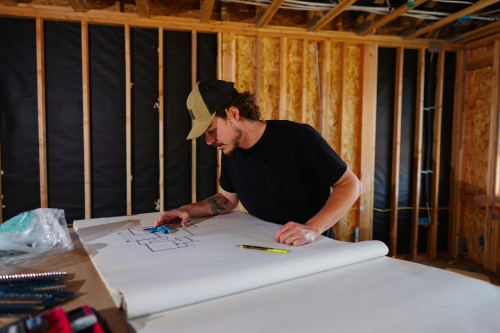
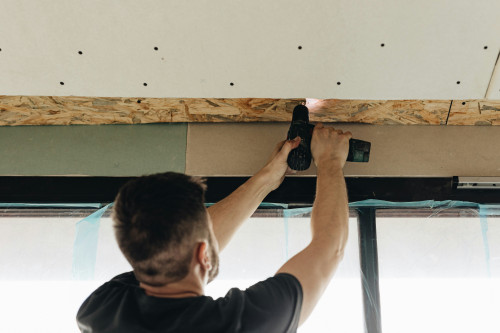
Modular Construction and Circular Thinking
One of the most significant trends in housing development is the rise of modular construction. Large sections of a home are built in factories under controlled conditions, reducing waste and shortening construction time. Once completed, the modules are transported to the site and assembled in a matter of days.
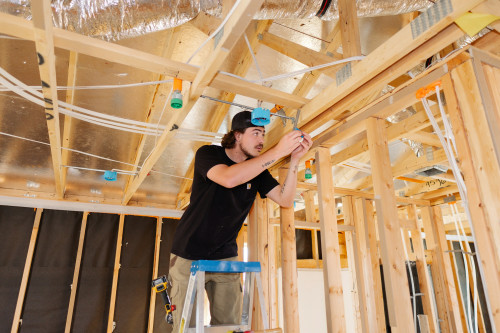
This approach also supports a more circular mindset in construction. Because modular components can be detached and reused, homes can be upgraded or reconfigured without demolition. For example, a homeowner might replace a wall module with one that includes new insulation or smart wiring, extending the home’s lifespan and efficiency.
Sustainability as a Core Principle
Future homes are not only flexible but also deeply sustainable. Energy-efficient designs, solar panels, heat pumps, and eco-friendly materials such as cross-laminated timber and recycled steel are becoming standard features. Builders are increasingly focused on reducing carbon footprints and considering the full life cycle of materials from design to demolition.
In the U.S., green building certifications like LEED and ENERGY STAR are helping homeowners understand how their houses perform in terms of energy use and environmental impact. These certifications are also driving innovation in insulation, ventilation, and renewable energy integration.
Digitalization and Smart Living
Technology is playing a central role in shaping the homes of tomorrow. Digital modeling tools — sometimes called “digital twins” — allow architects and homeowners to simulate everything from sunlight exposure to energy consumption before construction begins.
Once built, smart home systems can automatically adjust lighting, temperature, and energy use based on occupancy and weather conditions. These systems not only improve comfort but also help reduce utility costs and environmental impact. For many homeowners, the ability to monitor and manage their home from a smartphone has become an essential part of modern living.
New Housing Models and Communities
The flexibility of modular homes is also inspiring new ways of living. Across the U.S., developers are experimenting with hybrid communities that combine private residences with shared amenities such as workshops, guest suites, or community gardens. These developments encourage social interaction and resource sharing while maintaining personal privacy.
For younger generations and retirees alike, such communities offer a balance between independence and connection — a modern take on the traditional neighborhood.
A Home That Evolves with Life
The future home is no longer a fixed structure but a dynamic platform that can evolve with its occupants. It can expand, adapt, or even relocate as needs change. Designed for longevity, efficiency, and beauty, these homes reflect a new vision of American living — one that values sustainability, personalization, and technological intelligence.
As flexible and modular housing continues to develop, it promises not just a new way to build, but a new way to live — one that grows with both the family and the times.
Læs også: