Position Your Home Right: Make the Most of Sunlight, Views, and Privacy


Position Your Home Right: Make the Most of Sunlight, Views, and Privacy
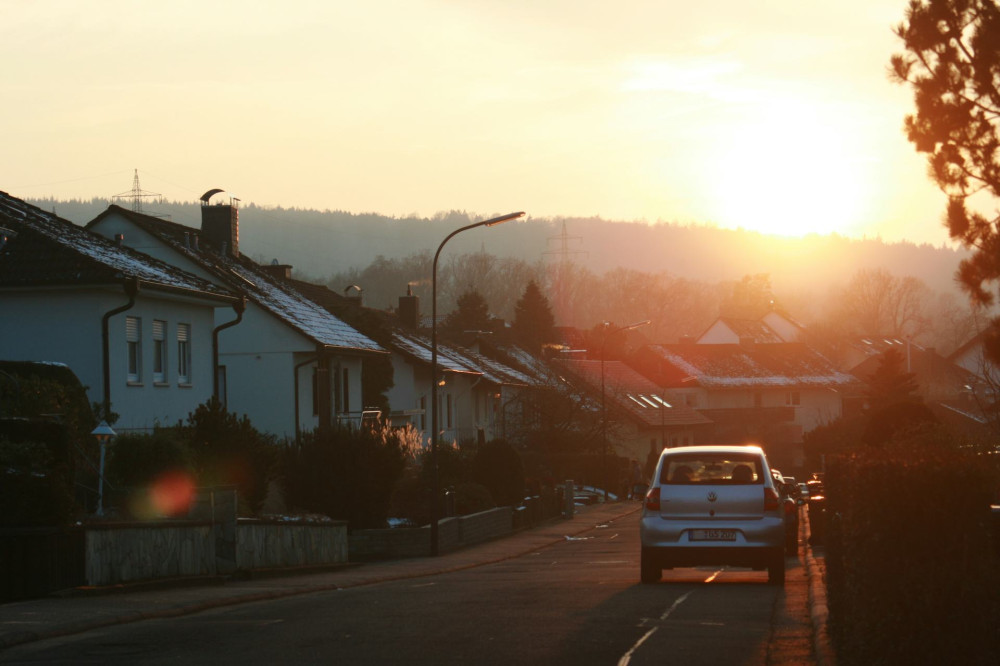
When you’re building a new home, it’s not just about the floor plan or the materials — where you place the house on your lot can make all the difference. The right orientation can fill your home with natural light, reduce energy costs, highlight your best views, and give you a sense of privacy. Here’s how to position your home to make the most of sunlight, scenery, and surroundings.
Know Your Lot — and Its Potential
Before deciding where your home should sit, take time to understand the lot itself. Is it flat or sloped? Open or surrounded by trees and neighboring houses? How does the sun move across it during the day?
Walk the property in the morning, at noon, and in the evening. Notice where the sun hits and where shadows fall. This simple observation helps you see where you’ll get the most light — and where you might need shade to prevent overheating.
Also consider prevailing winds. In much of the U.S., breezes often come from the west or southwest. Positioning patios and living spaces in sheltered areas can make them more comfortable, while still allowing for natural ventilation.
The Sun’s Role in Light and Energy
The sun’s path is key to both comfort and energy efficiency. A well-oriented home can capture warmth in winter and stay cool in summer.
- South-facing windows bring in the most light and warmth. Place main living areas like the kitchen and family room on the south side to enjoy bright, inviting spaces and lower heating costs.
- East-facing rooms catch the morning sun — perfect for bedrooms or breakfast nooks.
- West-facing rooms get afternoon and evening light, ideal for dining areas or patios where you can unwind after work.
- North-facing rooms receive steady but cooler light, making them great for utility spaces, offices, or bathrooms.
Think about roof pitch and overhangs, too. A well-designed overhang can block high summer sun while letting in lower winter rays, helping to balance temperature year-round.
Balancing Views and Privacy
A great view can be a major asset, but it needs to be balanced with privacy. If your lot overlooks mountains, water, or open land, it’s tempting to orient the entire house toward that direction. Just remember that large windows can also invite unwanted visibility from neighbors or passersby.
Plan your layout in zones: place living areas where you want to enjoy the view, and use landscaping, fencing, or elevation changes to create privacy. This way, you can have openness without feeling exposed.
If your lot slopes, consider a multi-level design — upper floors can take advantage of the view, while lower levels offer more secluded spaces.
Outdoor Spaces — Part of the Whole
Your home’s placement also affects how you’ll use your yard. Think about where you want morning sun for coffee and where you’d like to relax in the evening light. Many homeowners create multiple outdoor areas to follow the sun throughout the day.
A south- or west-facing patio offers warmth and brightness but may need shade in summer — pergolas, awnings, or trees can help. An east-facing patio is perfect for breakfast in the sun, while a north-facing one provides cool relief on hot afternoons.
Also consider how you’ll move between indoors and outdoors. Sliding or French doors from the kitchen or living room make it easy to extend your living space into the yard.
Læs også:


Privacy Without Isolation
Privacy isn’t just about fences — it’s about smart design. By placing windows and rooms strategically, you can avoid direct sightlines from the street or neighbors without sacrificing light or views.
For example, face bathrooms, laundry rooms, or garages toward the road, while orienting bedrooms and living areas toward the backyard. Use offset walls, carports, or landscaping as natural screens. This approach feels more welcoming and cohesive than tall fences or solid walls.
Plan for the Future
When planning your home’s position, think beyond the present. Trees grow, neighbors build, and your lifestyle may change. Make sure your design allows flexibility — space to expand a deck, plant shade trees, or adjust entrances as needed.
It’s also wise to consider how the sun’s path and your landscaping will evolve over time. A tree that’s small today could block your solar panels or living room windows in 15 years.
A Smart Investment in Comfort and Quality of Life
Positioning your home thoughtfully takes time and care, but it’s an investment that pays off. You’ll enjoy a house that feels bright, comfortable, and private — one that works with nature rather than against it. It’s not just about looks; it’s about creating a home that enhances your everyday life for years to come.
Læs også: